About

Building a sustainable future

Metropoli was born in 1987 with the objective of working in cities and territories to globally contribute to the acceleration of their economic development, competitiveness, life quality, and sustainability. Our projects integrate two essential components “urban intelligence” and “digital technology”.

Metropoli has collaborated with many different cities in the world applying its philosophy of “Intelligent Territories”. The application of its philosophy enables cities and territories to generate a special magnetism and develop initiatives and projects of big impact. Our work is developed through 3 primary synergistic instruments in relation to developing cities and territories:

  1. Research

    Knowledge Creation and Sharing

  2. Design lab

    New Ideas, New Projects

  3. Incubation

    From Ideas to Reality

Metropoli has received numerous international recognitions, from the United Nations, the European Union, the European Council of Spatial Planners, Institutes of Architects and Business Associations; from which is worth highlighting, the European Urban & Regional Planning Awards in three occasions, and the Global Smart Cities Award in 2015.

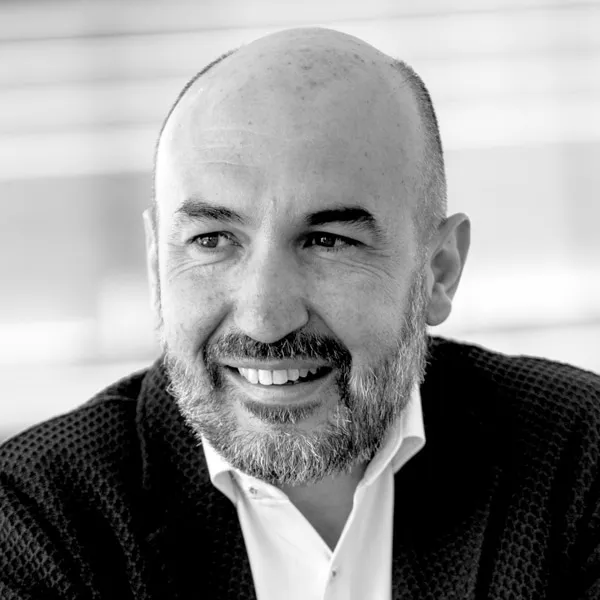
Alfonso VegaraFounder & CEO of Metropoli

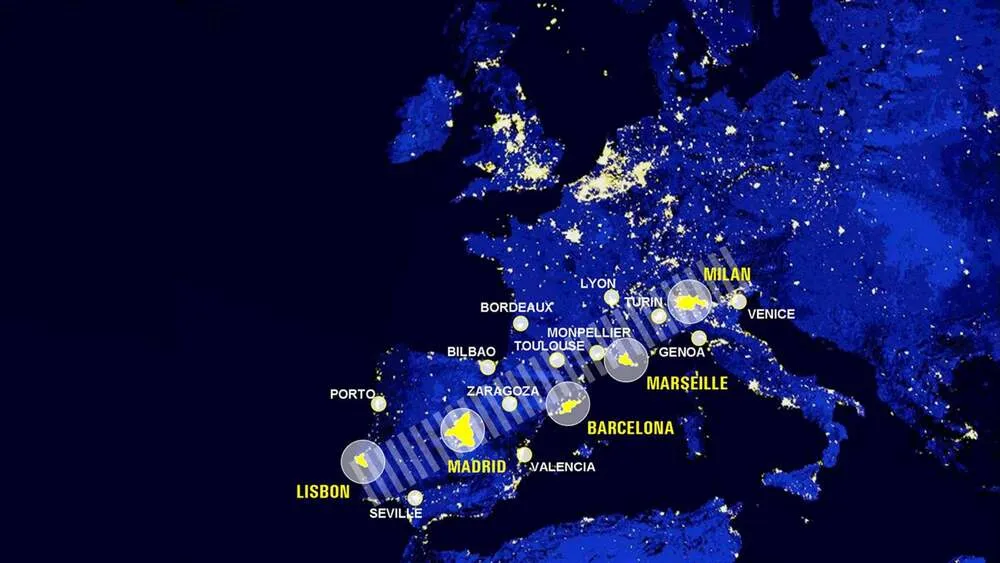
Map of the cities and territories where Metropoli has worked
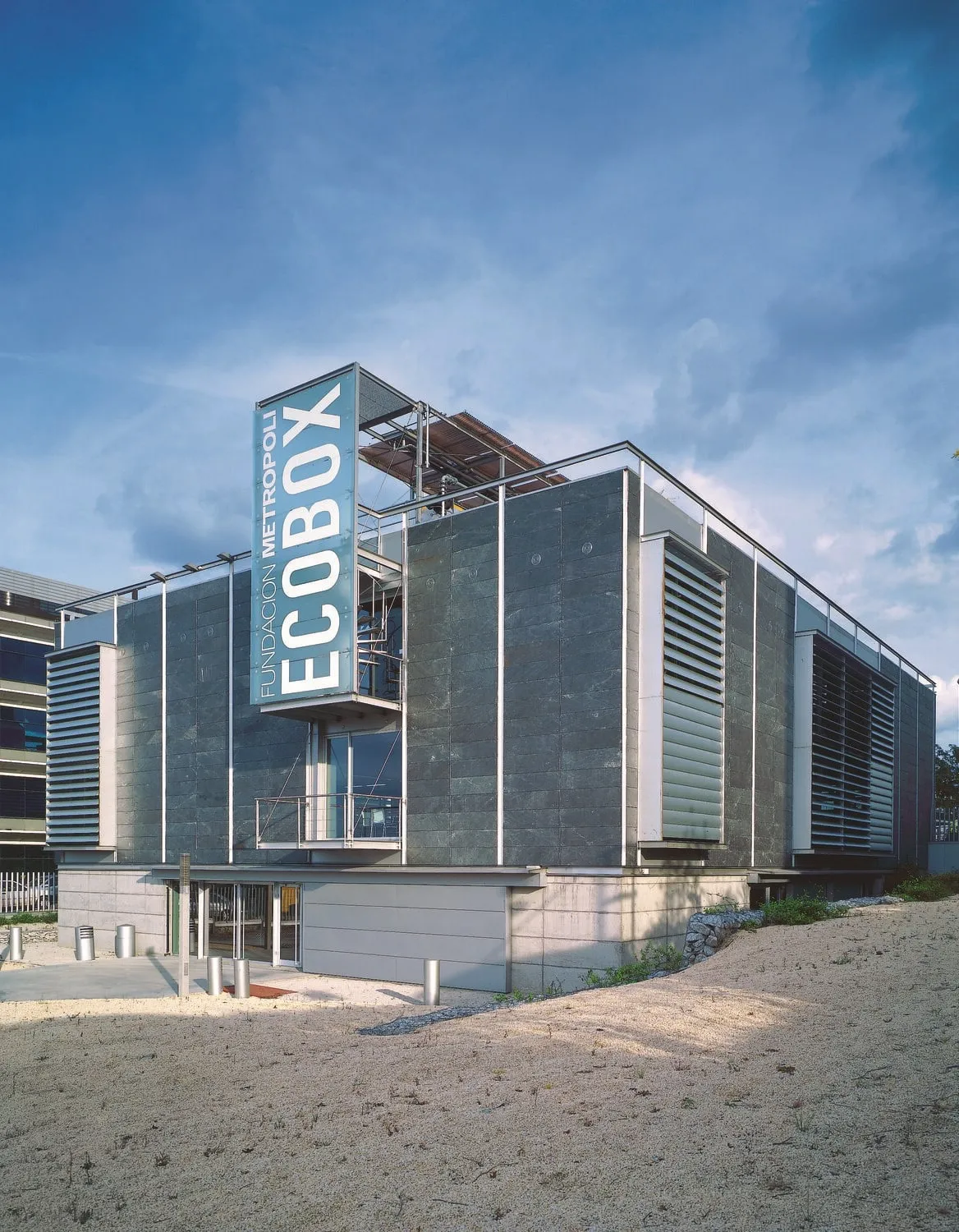
Ecobox, Alcobendas (Madrid)

A Space for Innovation and Creativity

Ecobox

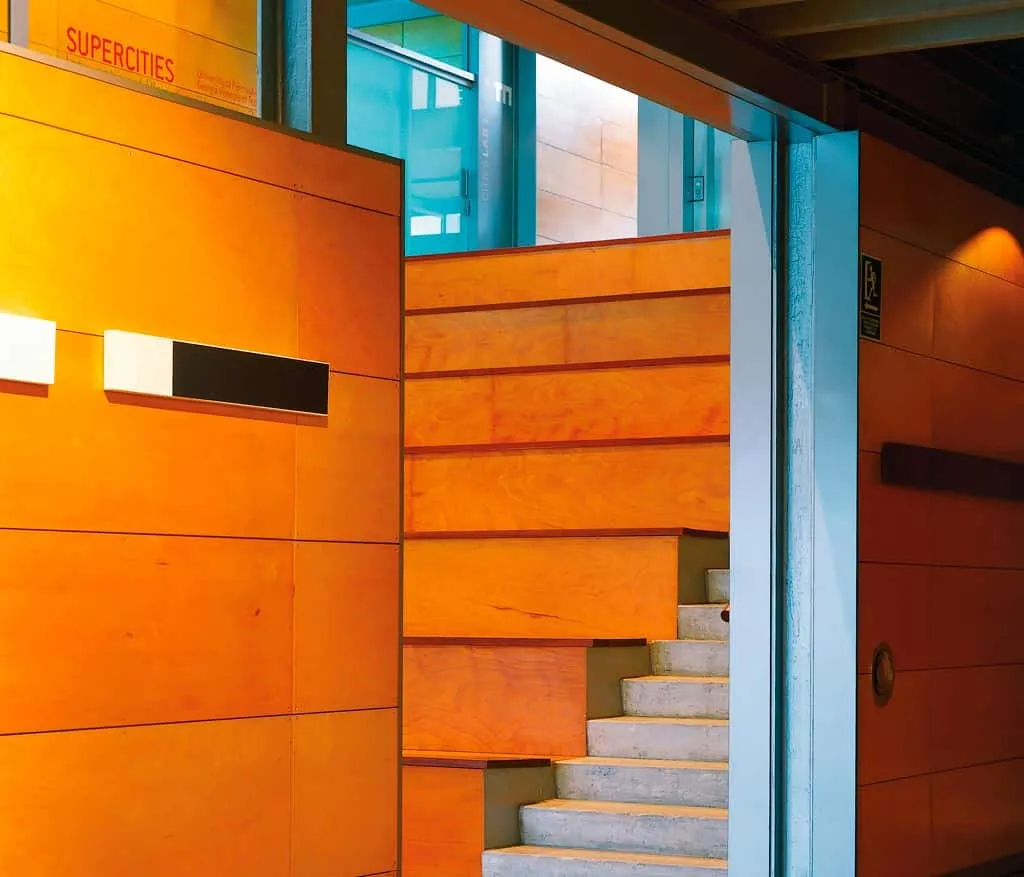
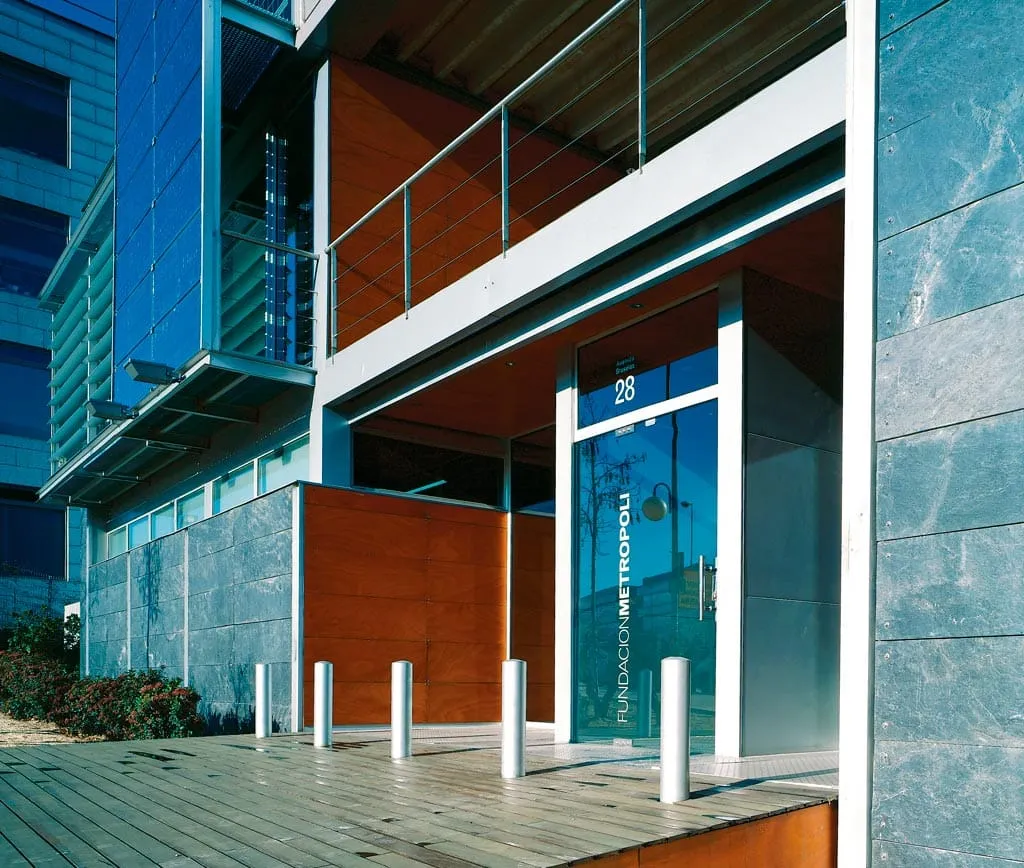
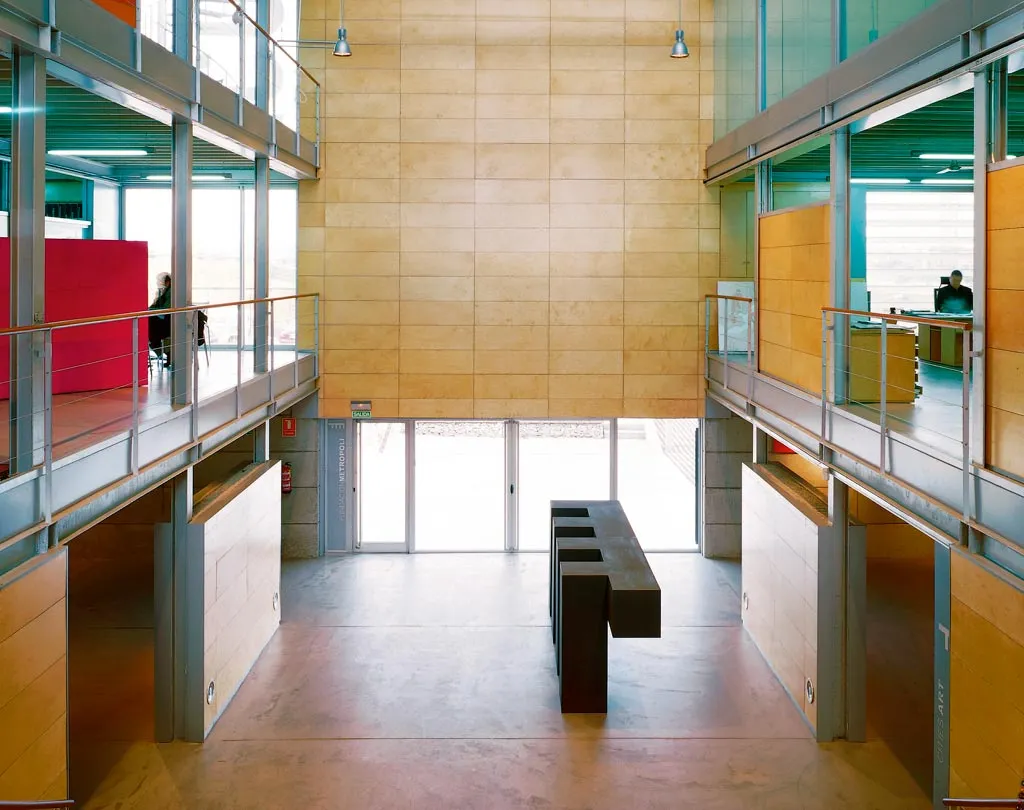
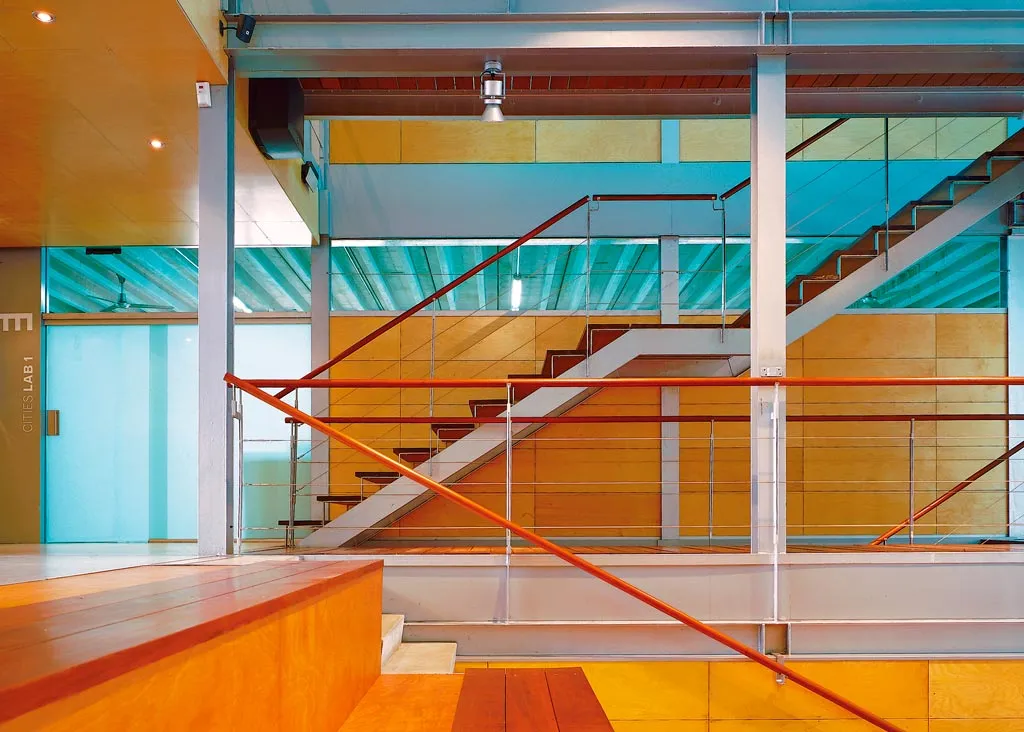
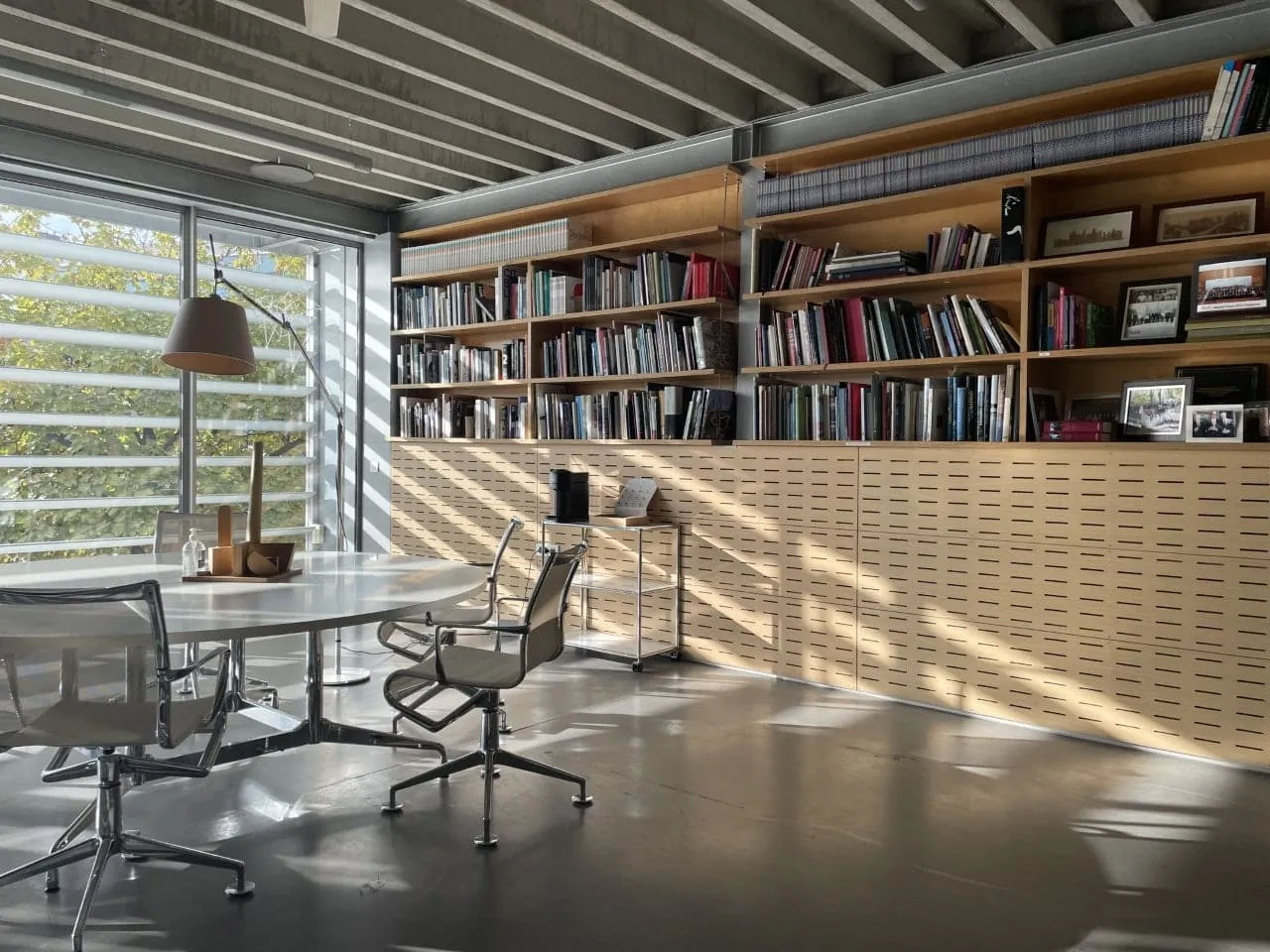
Metropoli’s building was conceived with two basic criteria: the creation of a place for innovation and creativity, and the commitment to bioclimatic principles. The design of the building was inspired by architectural concepts of sustainability, and incorporates advanced bioclimatic facilities and construction systems.

The objective of the experimental Ecobox was to create an innovative building that promotes the connection between man and nature.

The building takes into account the criteria of energy efficiency, renewable energies and sustainable construction methods.

The philosophy of Ecobox is in line with the overall philosophy of Metropoli: a commitment towards creativity and the construction of a sustainable future for us, our cities and our small planet.

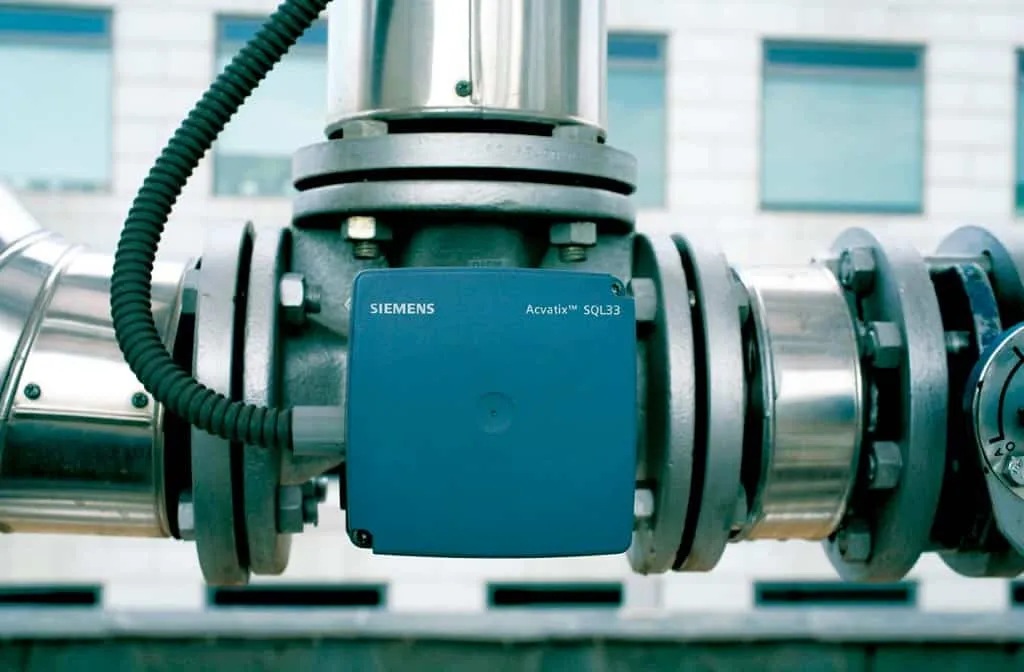
Intelligent monitoring systems

Intelligent monitoring systems

Siemens has designed an intelligent Building Management System that monitors previous demand, external thermal conditions, and the solar energy accumulated in the water tanks located on the roof. The system is designed to make necessary adjustments to optimize comfort levels and to minimize the use of non-renewable fossil fuels.

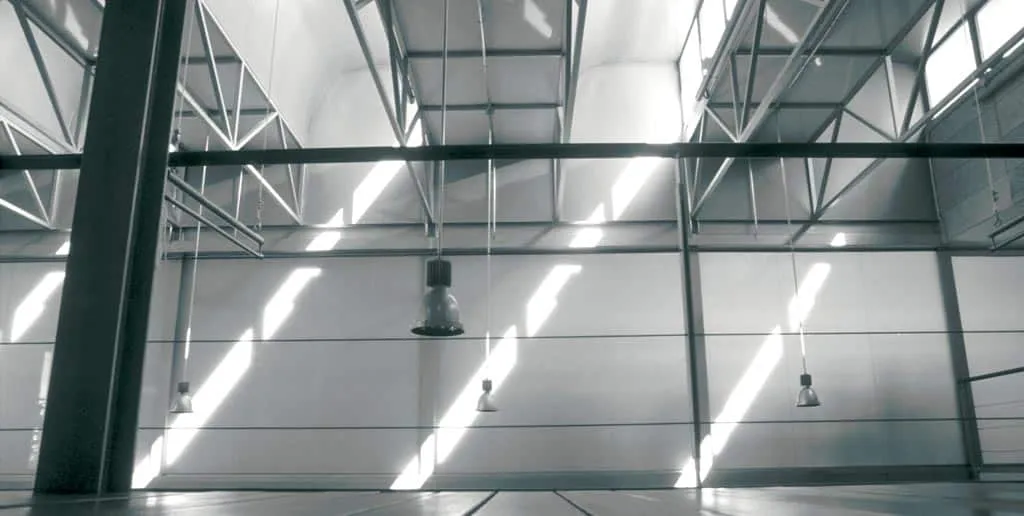
Stack effect: atrium and automatic Windows

Stack effect: atrium and automatic Windows

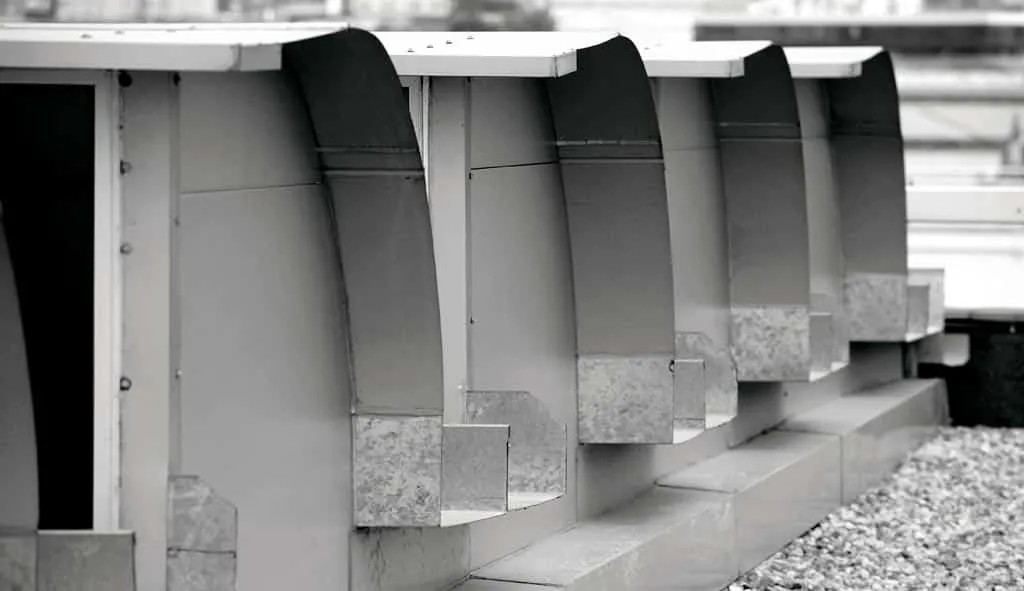
The building is ventilated by introducing outside air that has been naturally warmed or cooled by thermal exchange below ground. During the summer, when the air in the upper part of the atrium heats up, the atrium windows open automatically. This generates a stack effect that helps maintain thermal comfort and the overall ventilation of the building.

Automatic Apertures

Automatic Apertures

The sun scoops placed over the atrium space integrate an automatic window opening that helps the ventilation of the building when required.

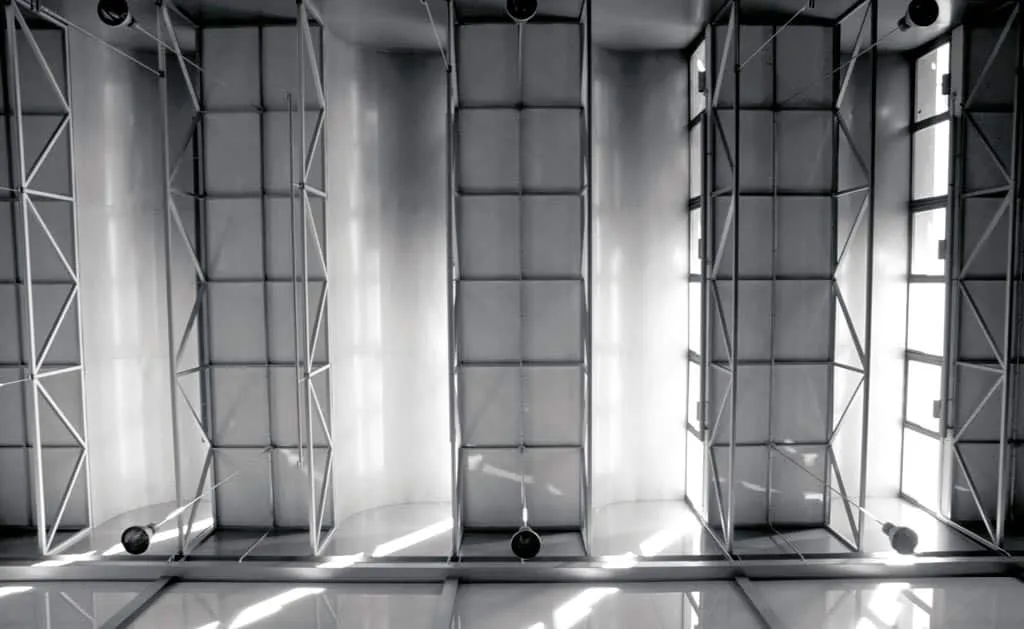
Sun scoops

Sun scoops

Allow light and heat to enter during the winter months, but the carefully calculated overhangs block direct sun penetration during the summer months.

Adjustable louvres

Adjustable louvres

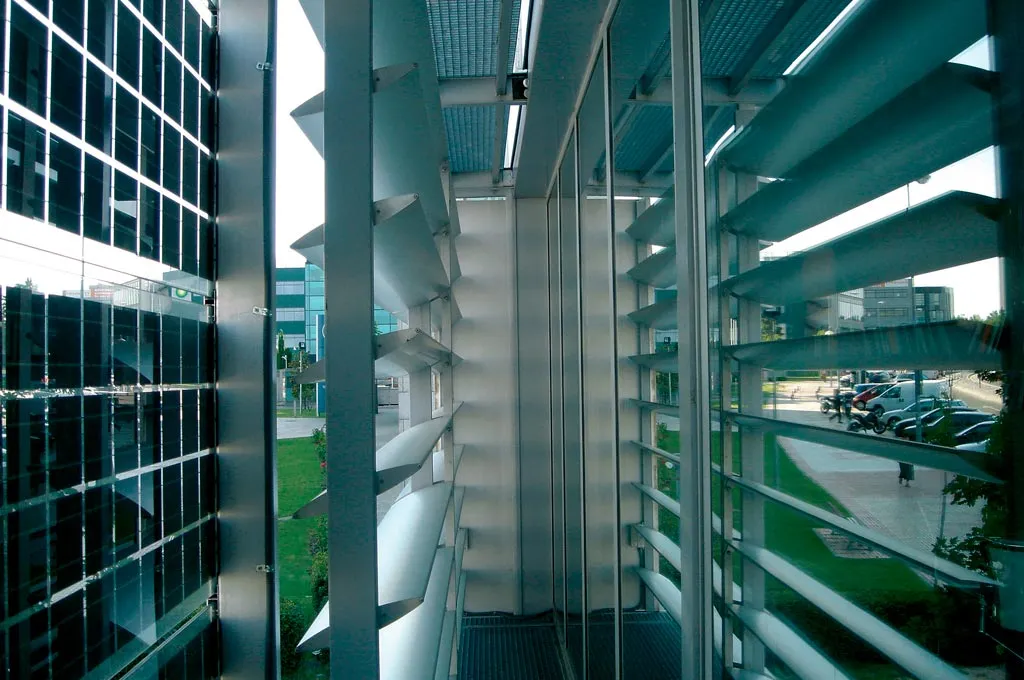
Permit the level of light entering the building to be regulated according to the season and personalised for each building zone. Thus, direct sun penetration into the building can be avoided in the summer while maintaining the possibility to capture solar energy in the winter.

Ventilation and geothermal energy

Ventilation and geothermal energy

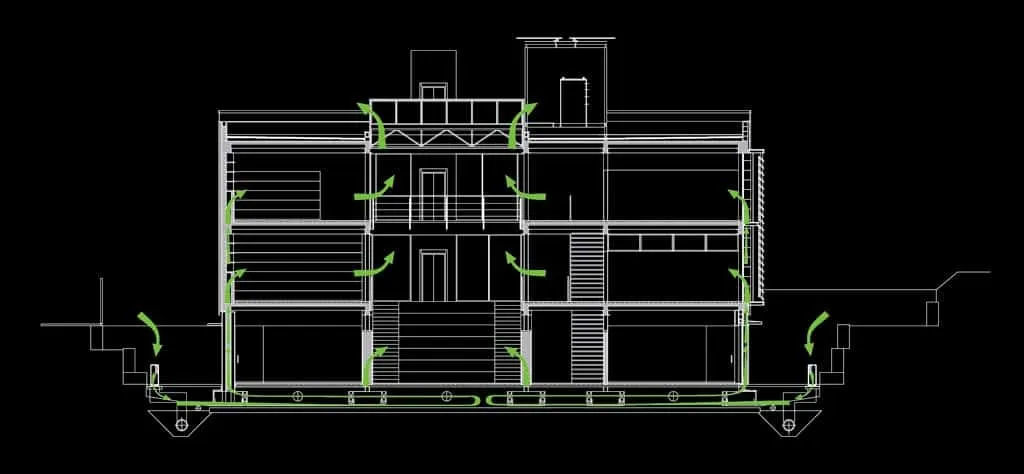
From the cylindrical air intakes located in the exterior, the outside air passes through the serpentine ducts located underneath the building. Here, the outside air exchanges thermal energy with the building’s main thermal storage mass whose temperature is naturally maintained at a constant 15ºC throughout the year. During the summer months, this naturally-cooled air is introduced via one set of ventilation ducts (blue system) to ‘recharge’ the thermal storage material (gravel) within the walls. Another set of ventilation ducts (green system) introduces the naturally treated air into the building spaces at a comfortable temperature all year round.

Thermal energy stores

Thermal energy stores

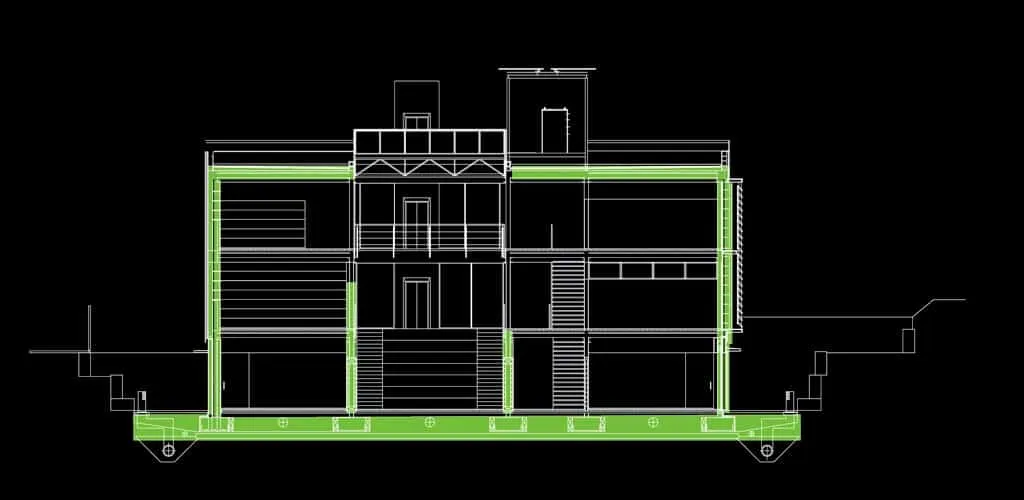
Are located underneath the building, within the walls and on the roof. The thermal storage materials (gravel and crushed stone) help to maintain optimal comfort conditions by absorbing thermal energy – heat or cold depending on the season – and releasing it slowly to the internal spaces.

Cold ceilings for the summer

Cold ceilings for the summer

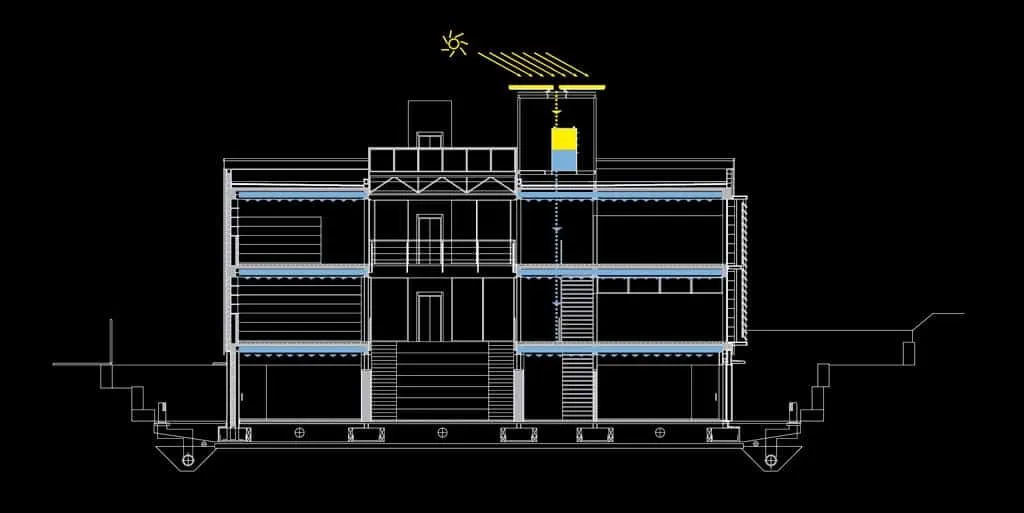
The cold water produced by the vapour absorption chillers and stored in two large tanks is circulated at the roof and ceilings of the different zones of the building. The water temperature is not allowed to fall below the dew-point in order to avoid condensation. A set of ceiling fans, powered by photovoltaic energy, helps to spread the cooler air and improve the thermal comfort during the summer.

Radiant floors for the Winter

Radiant floors for the Winter

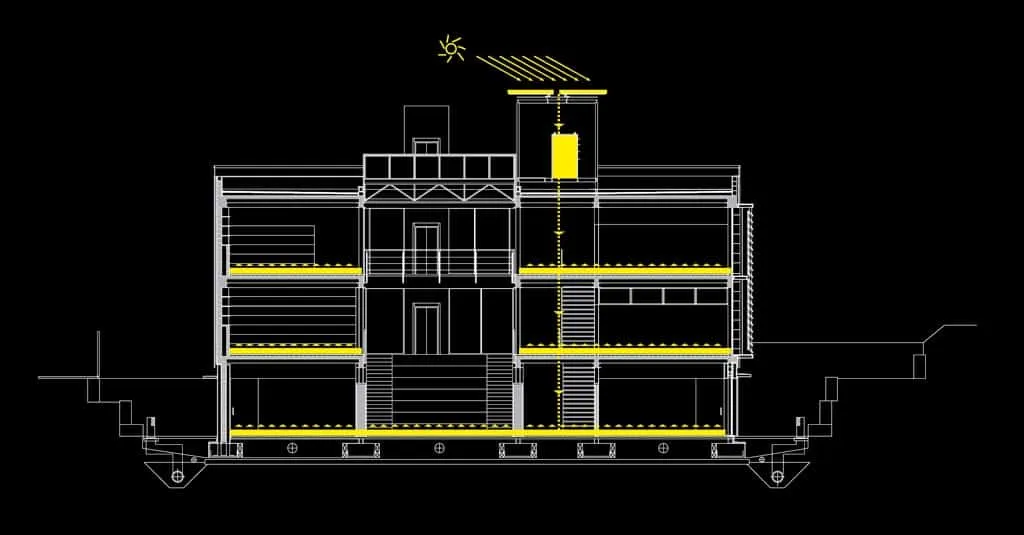
The traditional system of radiant oors using tubes buried under the oor screed ensures an even temperature distribution in the entire building. The same set of tubes that are used to warm the building in the winter is used for cooling in the summer with the cold water generated by the vapour absorption chiller. The oors and the ceilings are activated in the winter and summer respectively in order to optimize the circulation of air within the building.

Energy Saving Technology

Energy Saving Technology

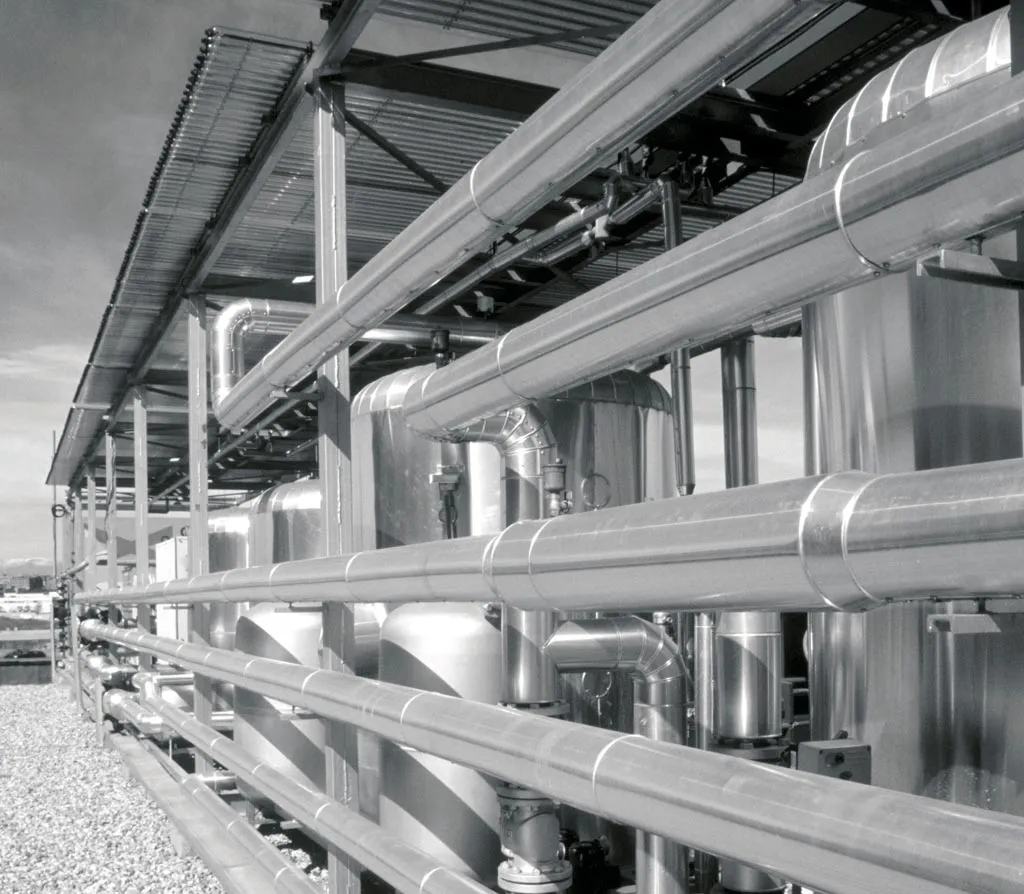
All the equipment is visibly placed on the roof to create a transparent showcase of eco technology.

Solar panels and vapour absorption chiller

Solar panels and vapour absorption chiller

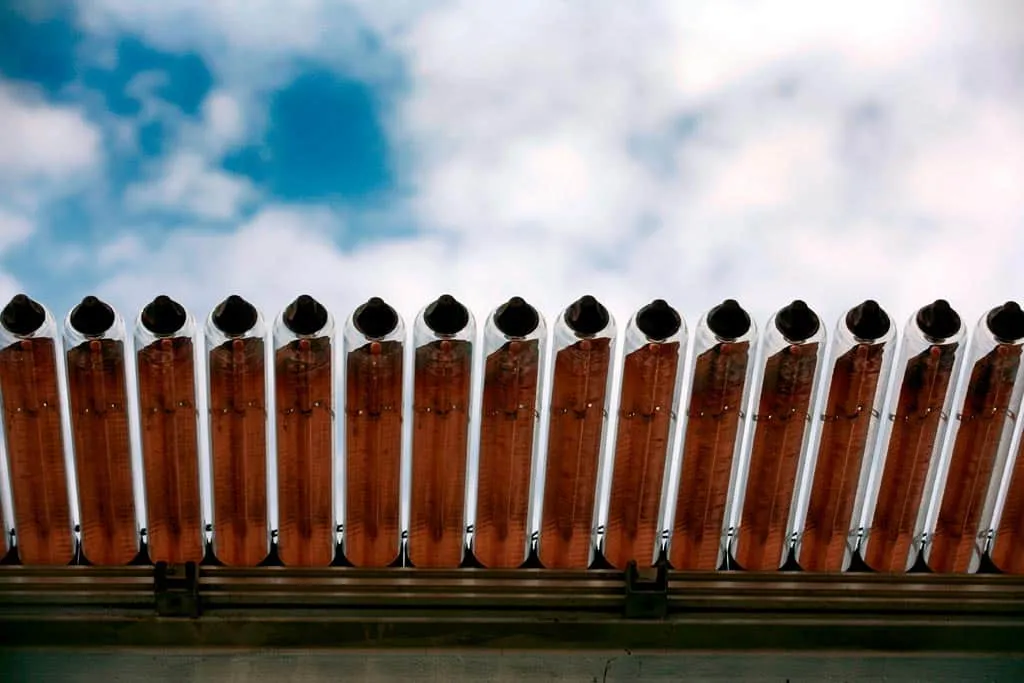
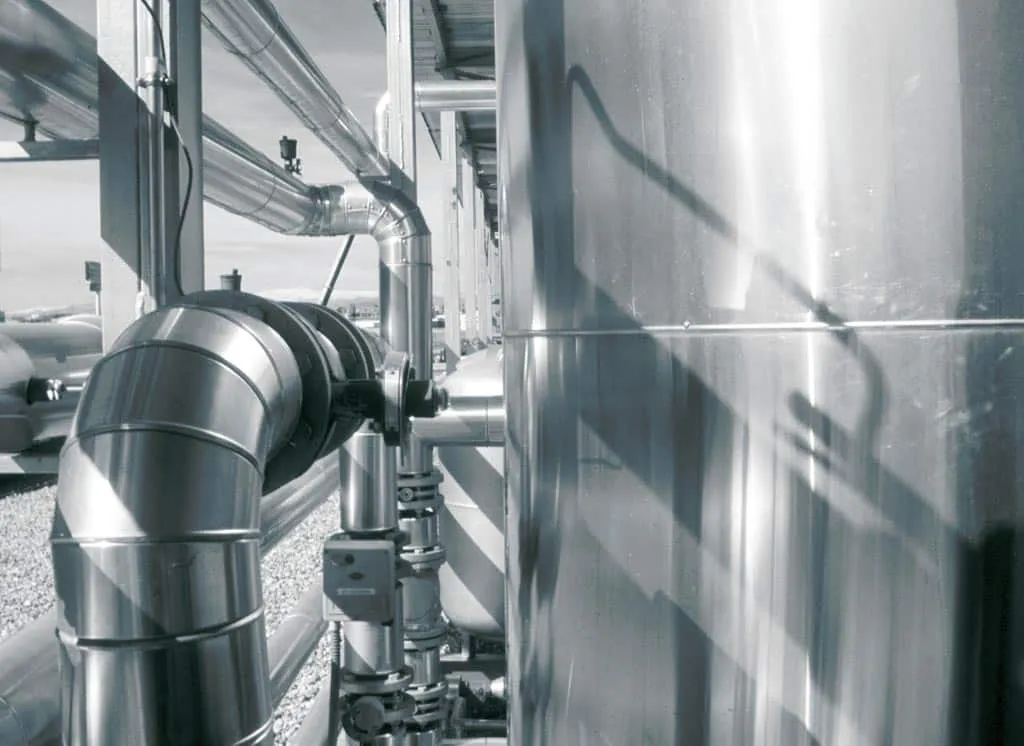
72 m² of the high-tech Vitosol 200 vacuum tube solar collectors are installed on the roof of the building. These solar collectors heat water that is stored in large well-insulated tanks of 6000-litre capacity. In the summer months, the vapour absorption chiller uses the latent energy from the water heated by the solar collectors to generate cold water. Thus, the solar panels continue working throughout the year.

Photovoltaic Skin

Photovoltaic Skin

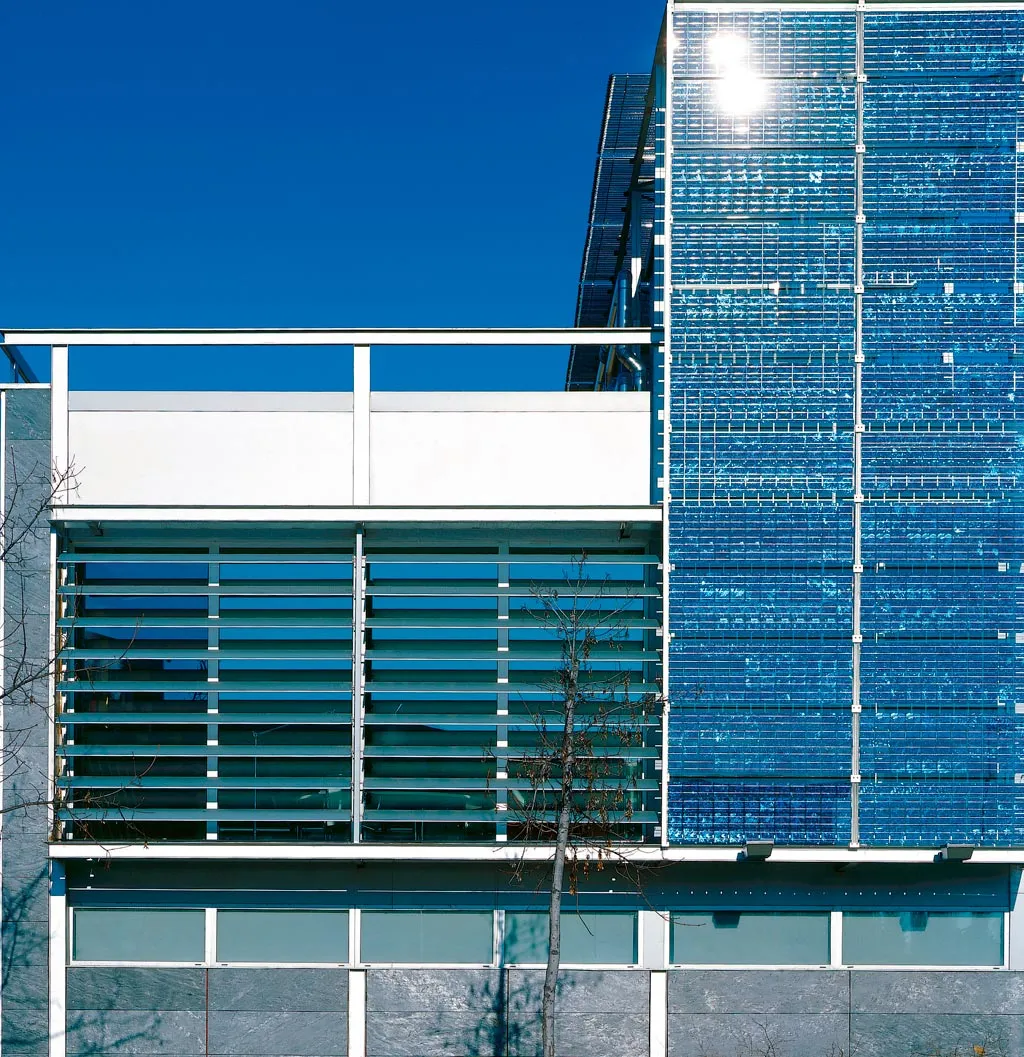
The modules are symbolically integrated with the façade design and also function as an additional visual filter for some interior spaces of the building.

Photovoltaic panels integrated with facadedesign

Photovoltaic panels integrated with facadedesign

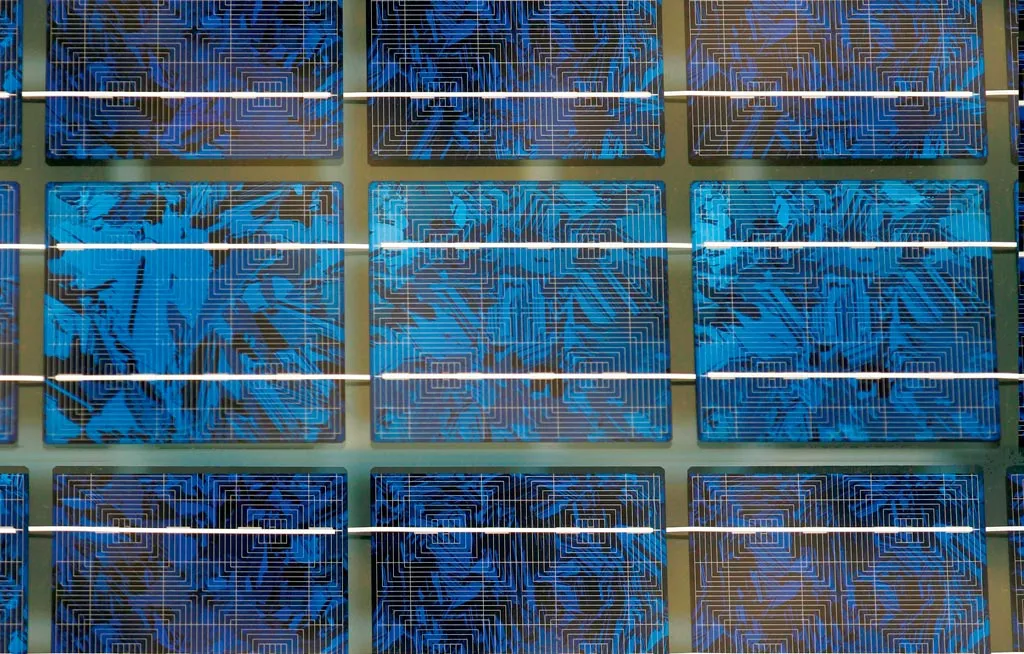
The 24 modules of glass-glass poly-crystalline photovoltaic panels have the capacity to produce electrical energy to power diverse uses in the building.

Team

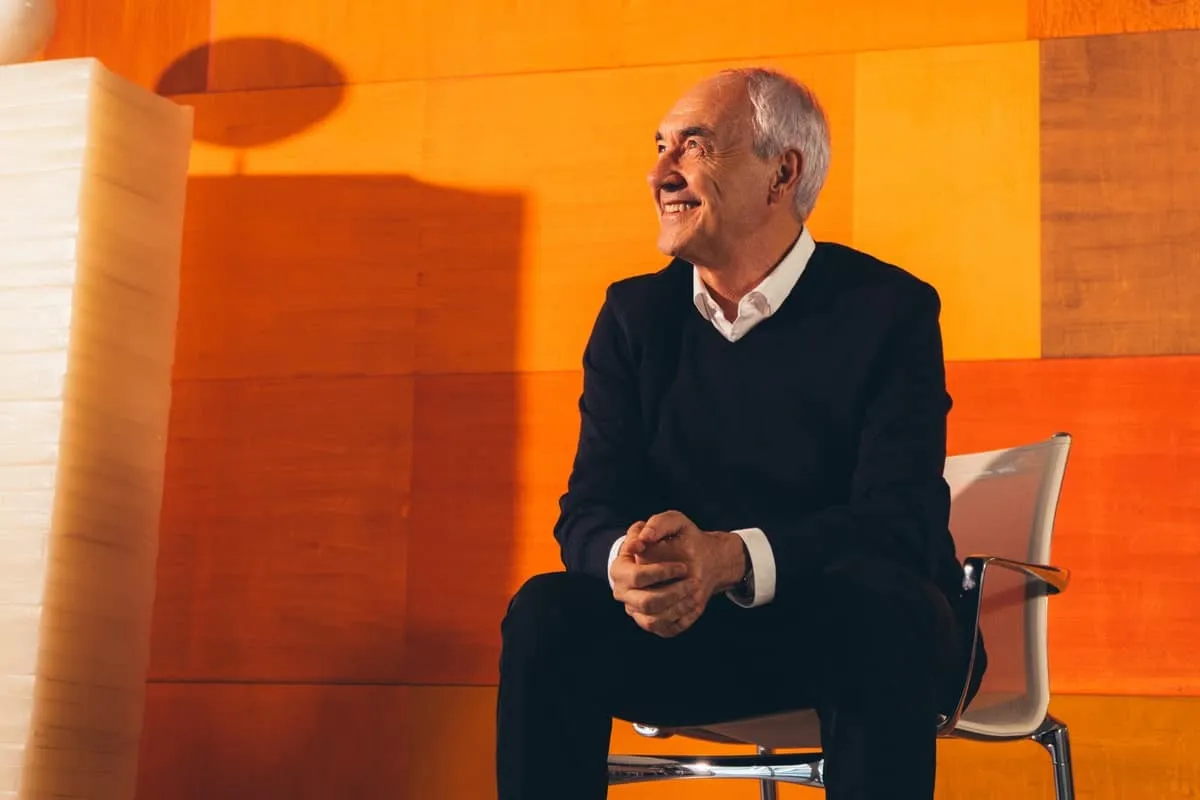
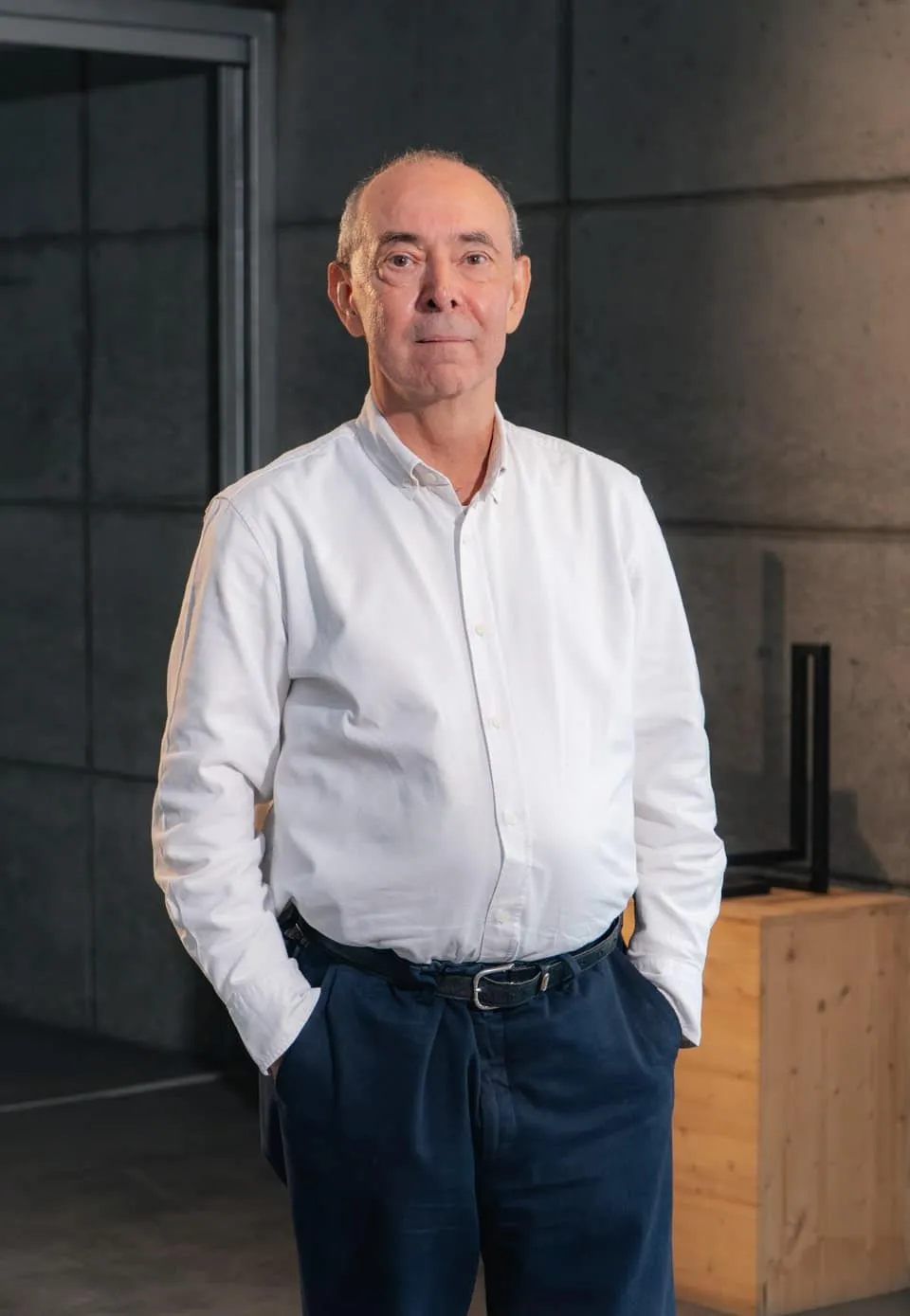
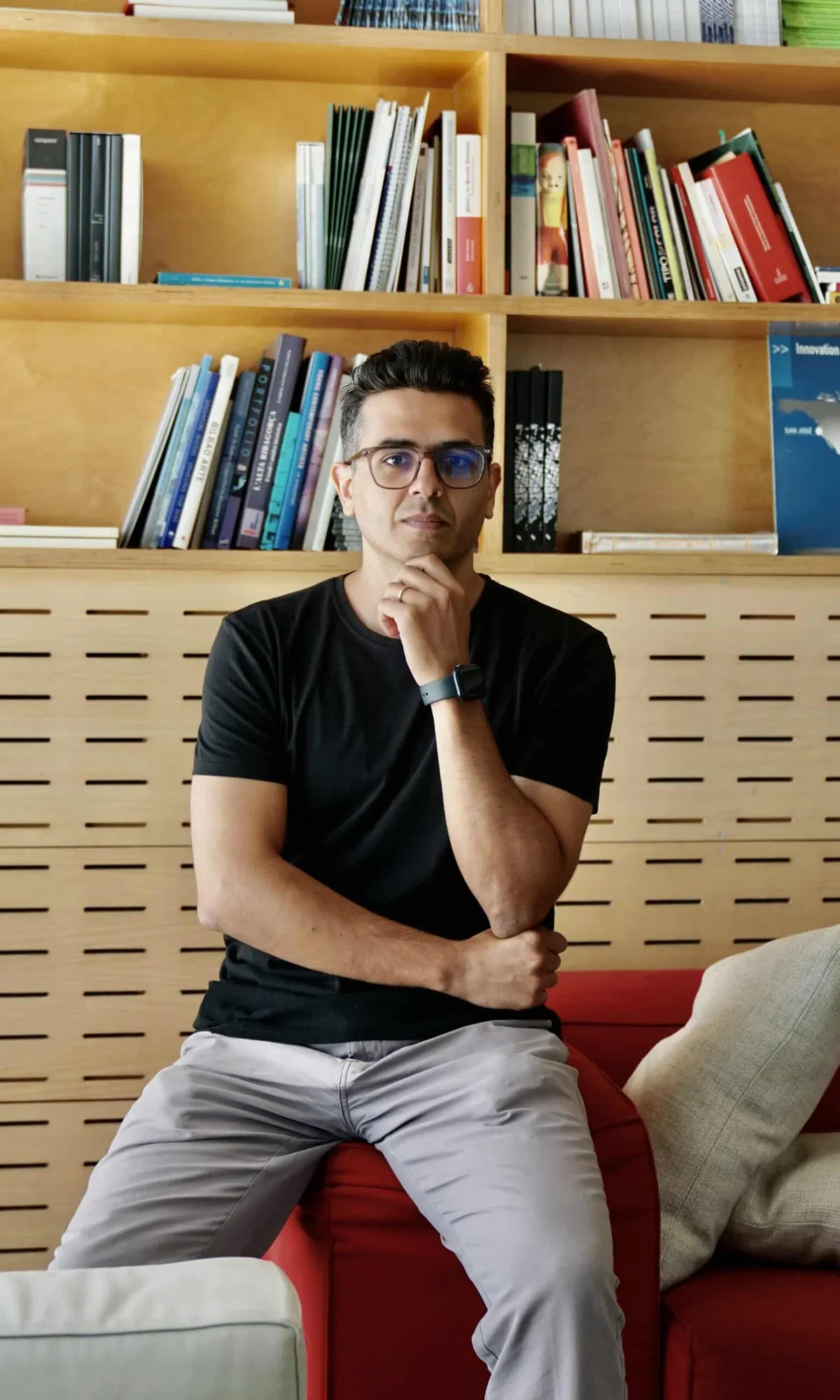
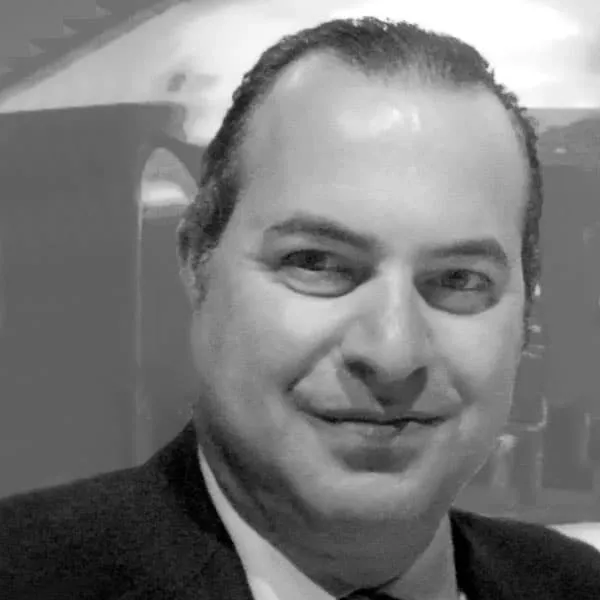
Alfonso Vegara

Alfonso Vegara

Founder and President of Metropoli

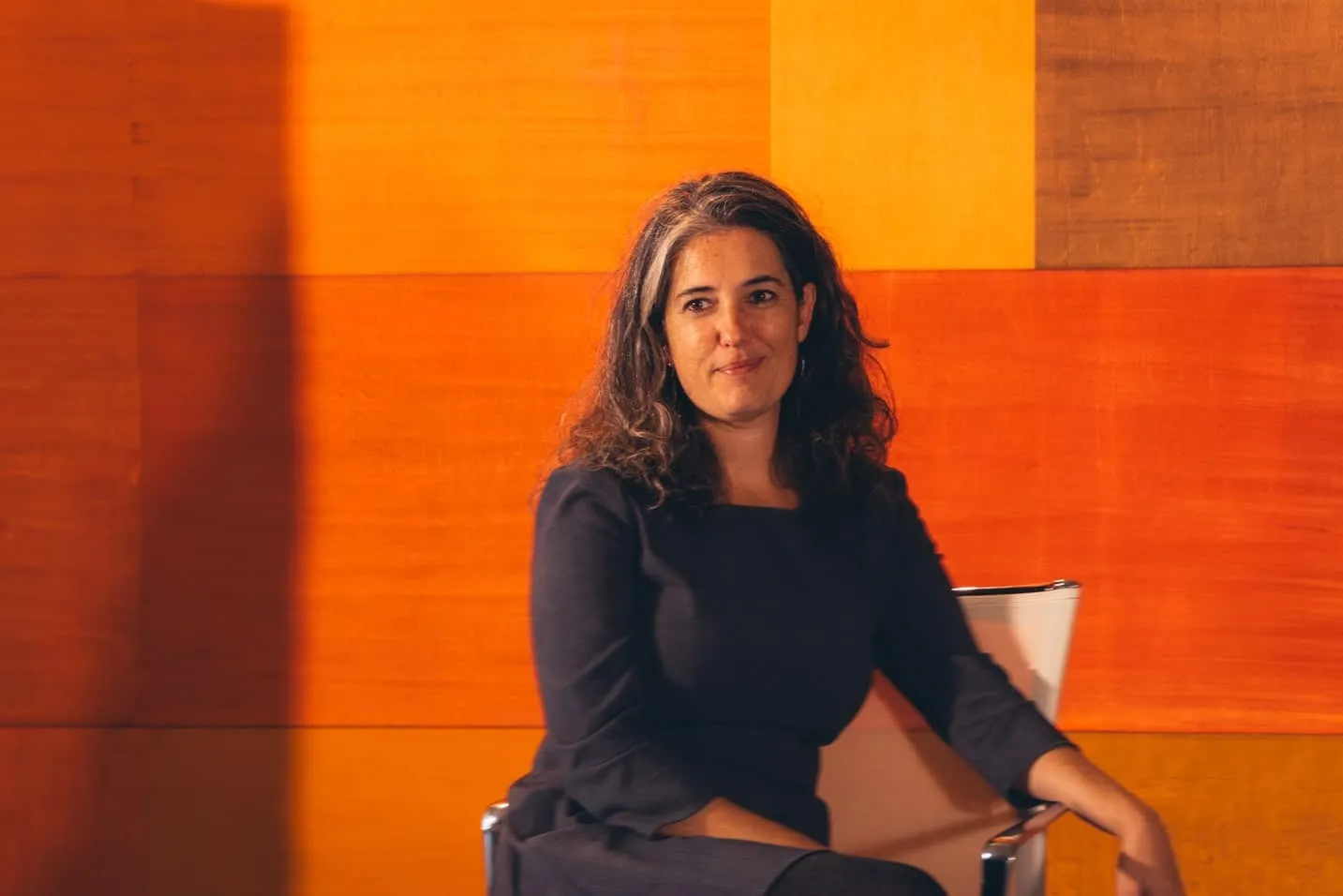
Alfonso Vegara is an architect, economist, and sociologist with a PhD in Urban and Regional Planning, known for his strategic vision of cities and their role in a connected world. He has taught and advised institutions globally, presided over ISOCARP, and served on international urbanism juries. Founder of Fundación Metrópoli—now expanded into a multidisciplinary platform for sustainable urban innovation—Vegara has led projects across five continents, advising governments and cities worldwide. His work has earned prestigious awards, including the Rey Jaime I Prize, the Public Service Star from Singapore, and the Global Award for Excellence. He continues to promote intelligent, sustainable, and inclusive urban development through research, design, and his publications such as Supercities.

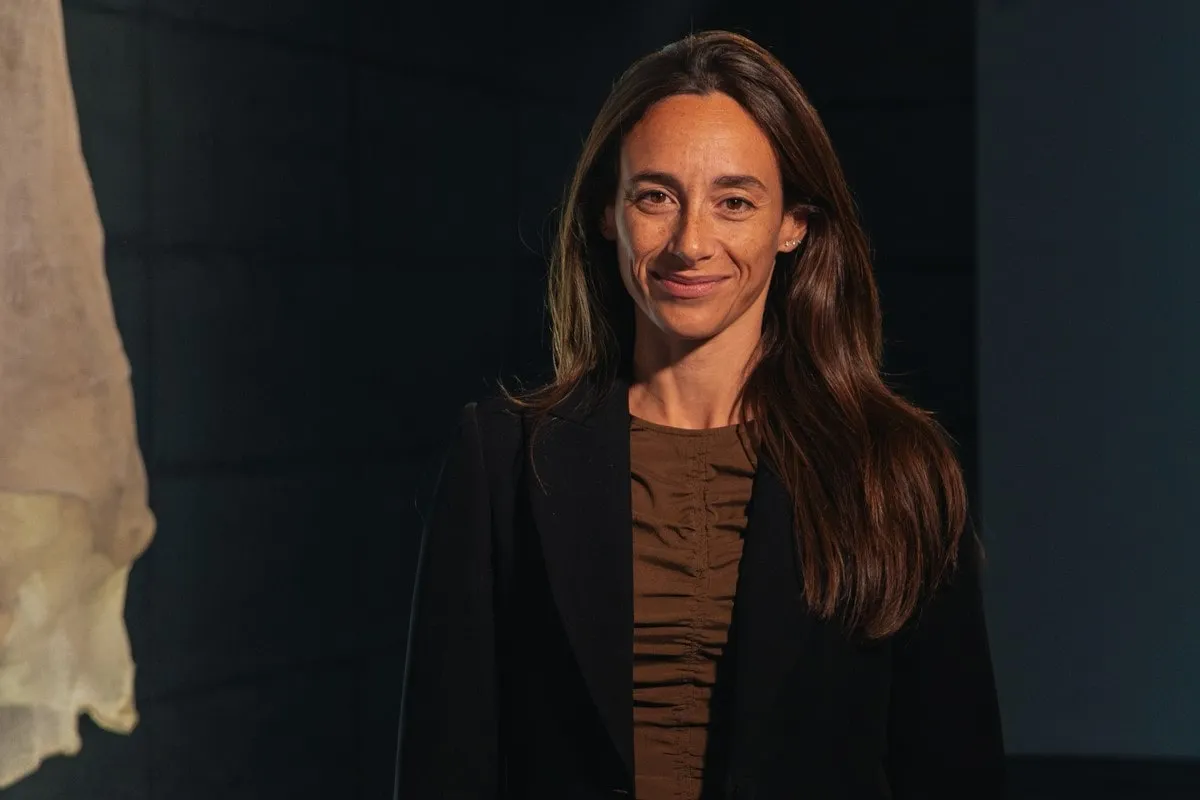
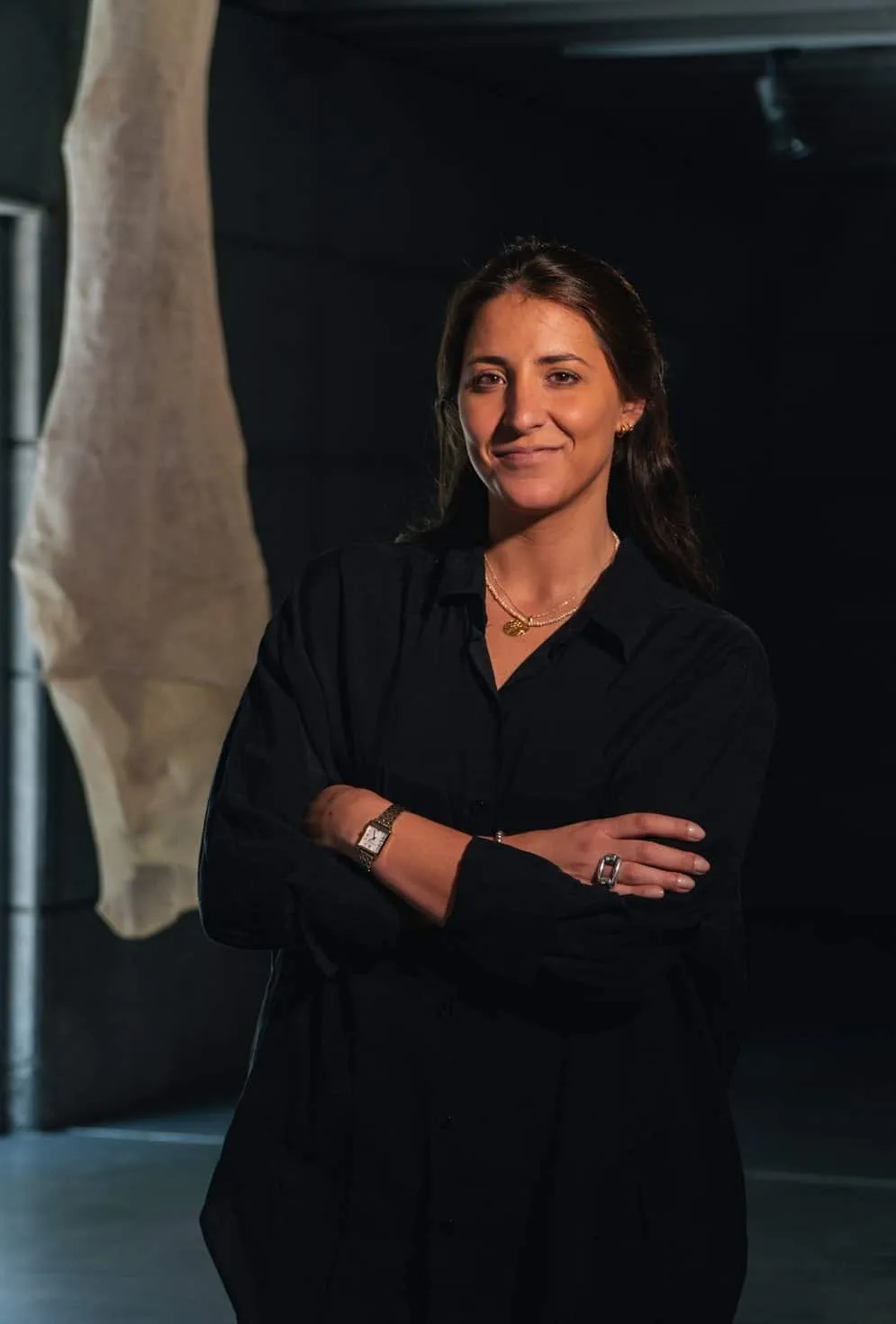
Naiara Vegara

Naiara Vegara

Vice President of Metropoli

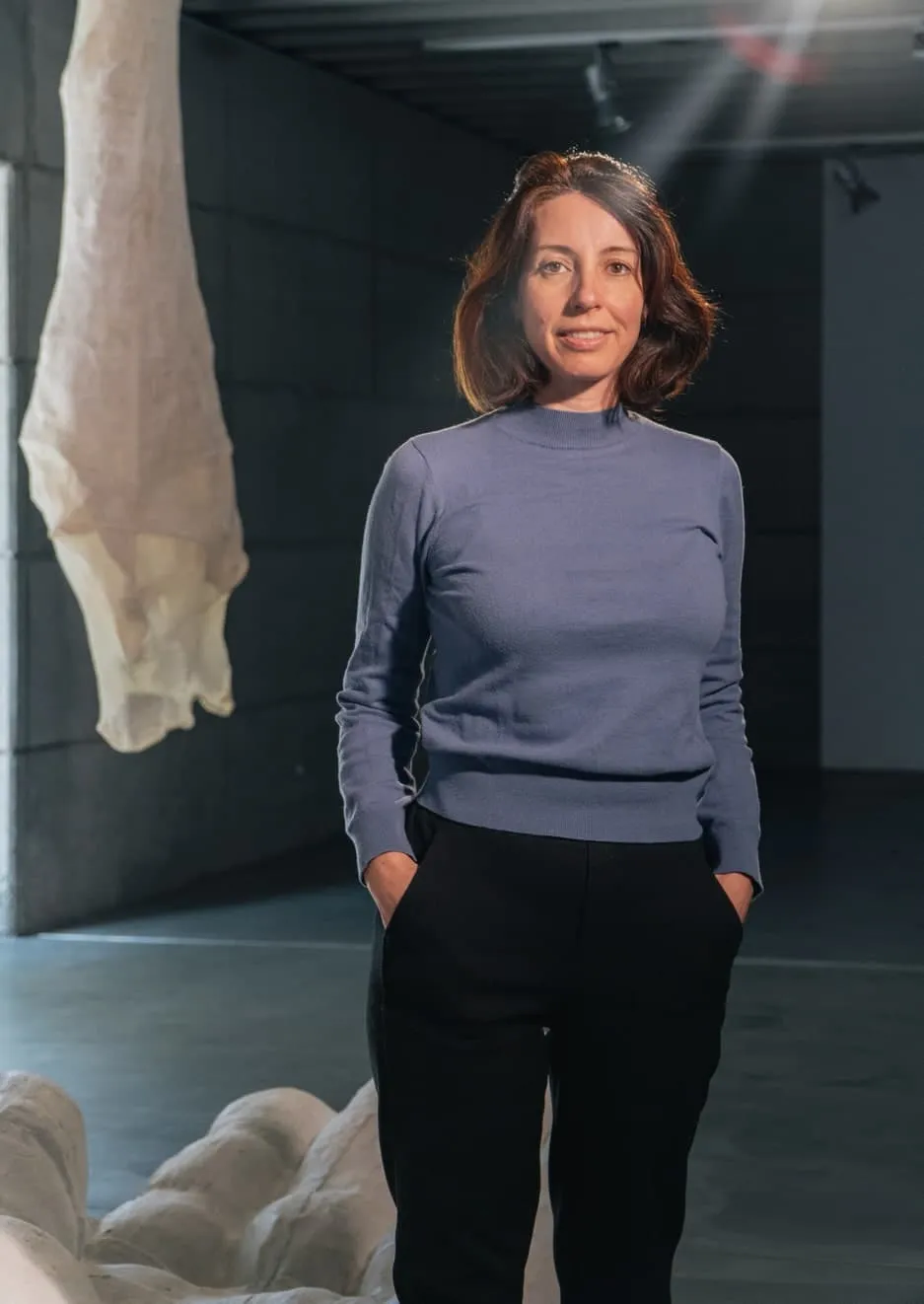
Naiara Vegara, PhD Cum Laude from the University of Navarra and ARB Part III Architect, studied at the Architectural Association School of Architecture in London. She is the Vice President of Metropoli. A Fellow of Advance HE, she has been the Programme Head of the Architectural Association Semester Programme since 2012. Her research tackles contemporary urban challenges with projects in Bilbao, Benidorm, Moscow, London, Cartagena, and Monaco. Additionally, Naiara has taught as a Design Tutor in the MA-MARCH Housing & Urbanism program and directed the AA Visiting School’s “Streetware” program, which was foundational for her PhD on retrofitting historic cores into cultural and creative districts in Southeast Asia. This research, in collaboration with Khazanah National, Think City, and Metropoli Foundation, explores integrating local culture with high-tech/low-tech design strategies for urban regeneration. She has lectured at various prestigious institutions, including Notre Dame University in Beirut, PENN Scandinavia, the Danish Academy of Fine Arts, Azerbaijan University of Construction and Architecture, and Sheffield University. Naiara has also served as a Visiting Critic for juries at the AA, Bartlett, and UAL.
International Advisory Council

Alexandre Bolson
Alexandre BolsonInternational Lawyer
Alex Camprubi
Alex CamprubiVice-President of the International Landscape Industry Association in China
Andres Larre
Andres LarreProject Manager at Open-Ideas
Andres Pedreño
Andres PedreñoFounder of Torre Juana OST and President of 1millionbot
Arthur Aw
Arthur AwExecutive Director of Kimen Group
Bahadir Kayan
Bahadir KayanFounder and Managing Director at BKI Turkey
Daryl Tan
Daryl TanExecutive Chairman at Impact of Asia Limited
Didier Vancutsem
Didier VancutsemDirector Institute for Urban Excellence iUE, Assoc. Prof University Brussels
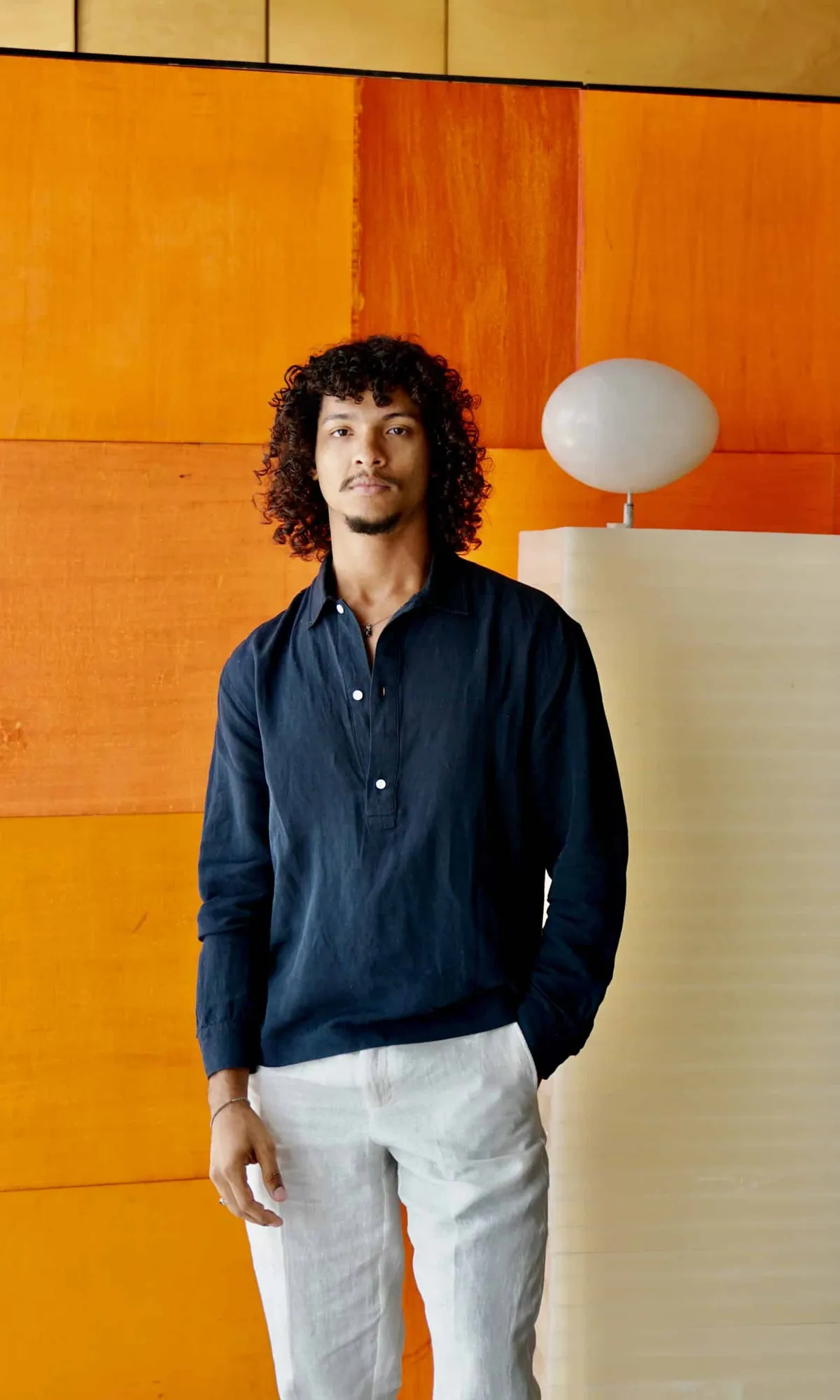
Jonathan Tybalt
Jonathan TybaltPresident of ASOBANCARIA and Former Minister of Housing and Sanitation of Colombia
Juan Nuñez
Juan NuñezPartner at TDB Architects
Juan Luis de las Rivas
Juan Luis de las RivasUrbanism and Territorial Planning Professor at the University of Valladolid
Judith Reyser
Judith ReyserCo-editor at Silk Cities and CORP
Lorena Santana
Lorena SantanaFounder and Chief Executive Officer
Rafael Perez
Rafael PerezCo-Founder and CEO at HisKen Venture
Ramon Casilda Bejar
Ramon Casilda BejarStrategic consultant specialized in Latin America
Rusmin Lawin
Rusmin LawinPresident for Asia Pacific region at FIABCI
Shanmuga Retnam
Shanmuga RetnamPartner at MARA (Vietnam)
Solange Arredondo
Solange ArredondoSE Manager at Corporación Regional de Desarrollo
Tan Chin Nam
Tan Chin NamCorporate advisor in Singapore's public and private sectors
Dr. Nguyen Quang

Dr. Nguyen QuangConsulting Expert, former Director of UN-Habitat Vietnam
José Sánchez-Barroso
José Sánchez-BarrosoStrategic Business & Institutional Relations Advisor from Vietnam

Strategic Partners

  • cartodb
  • indra
  • nec
  • qev
  • windows